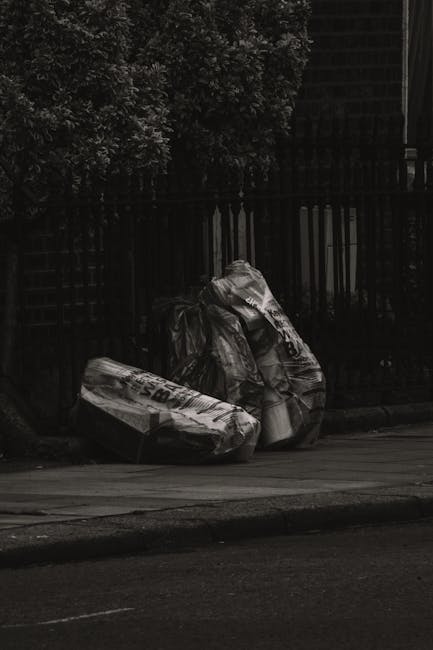
Sydenham SE26 Guide to Rubbish Removal on Sydenham Road
If you live, work, or are managing a property along Sydenham Road, rubbish removal can turn into one of those jobs that looks simple until you actually start. Bags pile up. An old sofa blocks the hallway. Renovation waste sits in the front room. And suddenly the question is not just "How do I get rid of this?" but "How do I do it quickly, safely, and without making a mess of the street?"
This Sydenham SE26 guide to rubbish removal on Sydenham Road breaks down the practical options in plain English. We will look at what rubbish removal usually involves, how the main methods compare, what to watch out for on a busy local road, and how to choose the right approach for domestic, commercial, and builder-type waste. A lot of this is common sense, to be fair, but the details matter more than people think.
Whether you need a one-off clear-out or a more regular waste solution, the aim here is simple: help you make a cleaner, faster, better-informed decision.
Why Sydenham SE26 guide to rubbish removal on Sydenham Road Matters
Sydenham Road is the kind of place where waste needs to be handled with a bit of thought. It has homes, flats, shops, small businesses, and busy traffic patterns all mixed together. That means rubbish removal is not just about loading a van or ordering a skip. It is about access, timing, pavement space, neighbours, and the type of material being removed.
In a quieter street, you might get away with a bigger margin for error. On a road like this, you usually cannot. A bulky item left out too early can get in the way. Loose rubble can spill. A skip placed carelessly can create friction with parking and foot traffic. And if the waste is not sorted properly, the whole process can become slower and more expensive than it needed to be.
There is also a practical money angle. Different rubbish removal methods suit different jobs, and picking the wrong one can mean paying for more capacity than you need, or worse, arranging two separate collections when one would have done the trick. That is why local knowledge matters. A proper approach saves time, avoids stress, and keeps the job tidy from start to finish.
If you are planning a broader clear-out, it can help to think beyond a single collection. For example, a home declutter may connect naturally with house clearance or garage and loft clearance, while a refurb may need builders waste removal or construction waste disposal. Matching the method to the job is half the battle.
How Sydenham SE26 guide to rubbish removal on Sydenham Road Works
Rubbish removal normally starts with a quick assessment of what you need to dispose of. That sounds obvious, but it is the part people often rush. Are you dealing with household clutter, garden waste, old furniture, construction debris, or a mix of everything? The answer determines the best method.
There are generally three broad ways people handle rubbish removal on or near Sydenham Road:
- Direct collection services for items loaded and taken away by a team.
- Skip hire for ongoing or larger-volume waste removal.
- Wait-and-load or grab-style solutions where access, timing, or space is limited.
Each has its place. A direct collection is often easiest for bulky or mixed waste. A skip can work well if you have space and a longer job to manage. A grab or wait-and-load option can be ideal if the road is tight, parking is awkward, or you want the waste gone quickly without leaving a container outside for days.
You can explore general rubbish removal services if you want a simple collection-based solution, or compare it against skip hire if you expect a bigger volume. For faster turnaround, same day skip hire can be useful when the job cannot wait. That happens more often than people admit, especially after a last-minute tenancy move or a trade job that runs over schedule.
In practice, the process is usually straightforward:
- You describe the waste and the access conditions.
- A suitable collection method is suggested.
- The waste is removed, loaded, and taken away.
- Recyclable material is separated where possible.
- Any special items are handled separately if needed.
That last point matters. Not everything can go together. Items such as fridges, mattresses, sofas, confidential paperwork, and potentially hazardous materials often need specific handling. For example, fridge and appliance removal, mattress and sofa disposal, and confidential shredding exist because these jobs are not always as simple as tipping things into the nearest container. Waste has categories, and categories matter. Boring, yes. Important, absolutely.
Key Benefits and Practical Advantages
The biggest benefit of professional rubbish removal is that it removes friction. You do not have to keep making trips to a disposal site, borrowing a neighbour's van, or playing Tetris with old furniture in the boot. The waste goes in one go, or close to it, and you can get on with the next task.
Here are the main advantages people usually notice:
- Speed: A proper collection can clear a space far faster than DIY runs.
- Convenience: The heavy lifting is taken care of, which is a relief if you are dealing with stairs or bulky items.
- Flexibility: Different methods work for different property types and volumes.
- Cleaner site management: Less loose waste around entrances, front gardens, or shared areas.
- Better sorting and recycling: Materials can be separated more effectively when handled by experienced teams.
For local properties, there is another advantage that gets overlooked: less disruption. If you are on a road with foot traffic, residents, deliveries, and the usual stop-start rhythm of London life, keeping the waste removal window short can make a big difference. Nobody wants a messy front area lingering for three days. It just creates tension. Simple as that.
For projects with mixed waste, you may find that a combination works best. A builder, for instance, might need builders skip hire for ongoing rubble and then a separate construction waste clearance for the final tidy-up. That kind of mixed approach often feels more efficient than trying to force everything into one bucket.
Who This Is For and When It Makes Sense
This guide is useful for a wide mix of people, because rubbish removal is rarely a one-size-fits-all job.
Homeowners and tenants often need rubbish removal when moving out, refurbishing a room, replacing furniture, or clearing a loft or garage. If you are doing a bigger domestic clear-out, services like domestic skip hire or house clearance may fit better than a one-off van load.
Landlords and letting agents need a dependable way to clear leftover contents quickly between tenancies. Timing matters here. A delay of even a day or two can hold up cleaning, decorating, or re-letting.
Tradespeople and builders usually need a robust solution for plaster, timber, packaging, rubble, and broken fittings. Depending on the job, that might mean builders waste removal, builders skip hire, or even a more targeted site clearance.
Local businesses may need help with office furniture, packaging waste, archiving, or end-of-lease clearances. In that case, office clearance and, where relevant, commercial skip hire can make life much easier.
Gardeners and homeowners with outdoor waste often need a separate solution for soil, branches, hedge cuttings, and green debris. That is where garden waste removal or muck away services can come into play.
So when does it make sense? Usually when the waste is too much for ordinary bins, too awkward for repeated car trips, or too mixed for a simple council-bin approach. If you are staring at a pile and feeling that slight Sunday-afternoon despair, that is usually the sign.
Step-by-Step Guidance
If you want the smoothest possible result, a little planning goes a long way. Here is a practical way to handle rubbish removal on Sydenham Road without overcomplicating it.
- Sort the waste by type. Separate general household rubbish, bulky items, green waste, inert waste like rubble, and anything potentially restricted.
- Check access carefully. Measure doorways, note stairs, and think about where a vehicle could safely stop without causing chaos.
- Estimate the volume. A few bin bags is very different from half a room of furniture. If in doubt, round up slightly.
- Identify special items early. Fridges, mattresses, sofas, electronics, and confidential papers often need specific handling.
- Choose the method that fits the site. A skip, grab lorry, man-and-van, or wait-and-load solution may all be viable depending on space and timing.
- Book the collection at the right time. If the road is busy, a narrower time window or early collection can make the whole thing easier.
- Keep the area clear. Put aside only what is being removed, and avoid adding extra items at the last minute unless agreed.
- Confirm what happens next. Ask how loading, recycling, and disposal will be handled so there are no surprises.
If you are not sure which option fits, a good starting point is often the main man and van style collection for mixed items, or wait and load skip hire if you want minimal on-street presence. For tight deadlines, same day skip hire can save a lot of back-and-forth.
One small practical tip: take a photo of the waste pile before you call. It sounds basic, but it helps explain the job clearly and avoids the classic "oh, it's a bit more than we thought" moment. Happens all the time.
Expert Tips for Better Results
Good rubbish removal is often about small decisions made early.
First, keep the load tidy. The neater the waste is grouped, the easier it is to remove and the less time you spend paying for confusion. That is especially true for mixed clearances where furniture, packaging, and general junk are all sitting together.
Second, think about what should not be mixed in. Hazardous materials, liquids, paint, solvents, gas bottles, and some electrical items can trigger extra handling requirements. If you suspect something may be restricted, do not tuck it under a pile and hope nobody notices. That only makes the job harder. Use the right route from the start, such as hazardous waste disposal.
Third, if you are dealing with valuable space on Sydenham Road, choose a method that reduces street time. In our experience, the less time waste sits outside, the better. Neighbours are happier, access stays cleaner, and you avoid that slightly awkward look from someone trying to squeeze past with shopping bags and a pram.
Fourth, compare by outcome, not just by headline price. A cheaper option that needs extra labour, extra time, or multiple visits may not be cheaper in the end. Sometimes the sensible choice is the one that removes the problem fastest, not the one with the smallest initial number.
Finally, use the service that matches the job:
- Need simple collection? Consider rubbish removal.
- Need a container for ongoing work? Look at skip hire.
- Need heavy-site materials shifted quickly? Check grab hire services or grab lorry hire.
- Need something secure? enclosed and lockable skip hire may be the better fit.
Common Mistakes to Avoid
Rubbish removal feels simple until one of these mistakes gets in the way.
- Underestimating volume. A small-looking pile can fill a container far quicker than expected.
- Ignoring access constraints. A vehicle may be physically available, but not practical for a narrow stretch or awkward parking bay.
- Mixing restricted items with general waste. This is a common cause of delays and extra charges.
- Leaving everything until the last minute. A rushed clearance usually creates more stress and less control.
- Choosing the wrong disposal method. Some jobs suit a skip, others are better handled by a same-day collection, and some need a specialised service.
- Forgetting about permit needs. If a skip has to sit on a public road, you may need to look at skip hire permits or skip permits.
Another mistake, and this one catches people out more than you would expect, is assuming all waste is recycled the same way. It is not. Different materials have different recovery routes. If sustainability matters to you, ask how waste is sorted and processed. You can also review recycling and sustainability information to understand the general approach better.
One tiny trap: trying to solve a bulky item job with the smallest possible vehicle because it seems frugal. Often it just becomes a second trip. Suddenly the cheap plan has become the expensive one. Funny how that happens.
Tools, Resources and Recommendations
You do not need a toolbox full of specialist kit to manage rubbish removal well, but a few practical resources help.
- Measuring tape: Useful for checking access, door widths, and item sizes before booking.
- Phone camera: A few clear photos can help explain the volume and type of waste.
- Basic gloves and sturdy shoes: Helpful if you are sorting items before collection.
- Labels or tape: Handy for marking items that must stay, go, or be handled separately.
- Planning note: Jot down any parking restrictions, access codes, or lift limitations.
From a service perspective, these pages can help you narrow down the right fit:
- Skip sizes and prices for comparing capacity and budget.
- What can go in a skip for understanding typical restrictions.
- Pricing and quotes when you want a clear commercial starting point.
- Payment and security if you are checking how the booking process works.
- Book online when you are ready to move quickly.
For businesses, waste control can be tied to broader premises management too. That is where office clearance and commercial skip hire may be worth comparing. For more secure materials, confidential shredding can prevent documents from being mixed with general waste by mistake. A small safeguard, but a very useful one.
Law, Compliance, Standards, or Best Practice
Waste removal in the UK is not something to treat casually. You do not need to become a compliance expert overnight, but you should understand the basics.
As a rule, waste should be handled by a proper, traceable route. That means using a service that can take responsibility for collection, transport, and disposal in a lawful way. If you are a business, you should be especially careful about duty of care, waste segregation, and record keeping. If you are a homeowner, the main thing is still the same in spirit: use a legitimate service and do not hand waste to someone who looks a bit too casual about where it ends up.
Special waste needs special handling. Fridges contain components that are not treated like standard furniture. Mattresses and sofas are large and awkward, and some may have different material streams. Electrical items need care. Hazardous waste should never be mixed with ordinary rubbish. And if a skip is going on the public highway, permit requirements can apply, so check before anything is delivered.
Best practice is simple enough:
- Identify the waste type honestly.
- Separate restricted items.
- Use the correct collection method.
- Keep the site safe and accessible.
- Ask how the waste will be handled after collection.
It is also sensible to review a provider's policies on health and safety, insurance and safety, and terms and conditions. Those pages are not the glamorous part of the job, but they are the part that tells you whether the service is being run properly. Truth be told, that matters more than a polished sales pitch.
Options, Methods, or Comparison Table
Choosing the right rubbish removal method usually comes down to space, speed, waste type, and how much manual loading you want to do yourself. The table below gives a practical comparison.
| Method | Best for | Pros | Things to watch |
|---|---|---|---|
| Rubbish removal collection | Mixed household waste, bulky items, one-off clear-outs | Fast, simple, minimal hassle | May be less cost-effective for very large volumes |
| Skip hire | Refurbs, ongoing projects, larger waste volumes | Flexible, good for staged loading | Needs space and may require a permit if placed on the road |
| Wait and load | Tight streets, limited storage, fast turnaround | Little or no street dwell time | Requires good preparation so loading is efficient |
| Grab hire | Heavy, loose, or bulky site waste | Good reach, strong capacity, efficient on-site loading | Needs suitable access and the right type of waste |
| Man and van | House clearances, furniture, smaller mixed loads | Flexible, personal, useful for awkward items | Best when the load is well described in advance |
There is no single winner for every job. A small flat clear-out on Sydenham Road may be perfect for a van-based collection. A kitchen rip-out might need skip hire. A building project with crushed material may work better with grab lorry hire. This is why a good provider will ask questions before recommending anything. If they do not, that is a bit of a red flag, honestly.
Case Study or Real-World Example
Here is a realistic local-style scenario.
A property owner on Sydenham Road is refurbishing a first-floor flat. The job includes an old sofa, a broken wardrobe, several black bags of general waste, a stack of packaging, and some bathroom debris. There is no private driveway, and street space is tight most of the day.
At first, the owner considers a standard skip. Then they realise it may sit outside longer than they want and could interfere with parking. A direct collection is possible, but the waste needs to be loaded quickly because the building entrance is shared. In the end, a wait and load skip hire option or a man and van style collection makes more sense. The waste is organised into a clear pile, the access is kept open, and the removal happens in one tidy visit.
The key lesson is not that one method is always best. It is that the environment on Sydenham Road can favour speed and clarity over simply choosing the biggest container. Small detail, big difference.
Another case might be a local cafe replacing worn fixtures and clearing old stockroom clutter. There, commercial skip hire or office clearance could be a better fit, especially if the waste is predictable and the business wants a regular, dependable setup. Different problem, different answer. That is the whole point.
Practical Checklist
Use this before you book anything.
- Have you identified the waste type clearly?
- Have you separated special items like fridges, mattresses, or confidential papers?
- Do you know whether the waste is bulky, heavy, loose, or mixed?
- Have you checked access for vehicles and loading?
- Is there enough space for a skip, or would a collection be better?
- Would a permit be needed if a container sits on the road?
- Have you compared skip sizes and prices if a skip is under consideration?
- Do you understand what can and cannot go in the chosen option?
- Have you chosen a time that works for the street and the property?
- Do you know what happens to the waste after collection?
If you can tick most of those off, you are in good shape. If not, take another minute and sort the details. It saves hassle later. Nearly always.
Conclusion
Rubbish removal on Sydenham Road is not difficult once you match the method to the job. The main thing is not to rush the decision. Think about access, waste type, timing, and whether you want the process handled in one quick visit or in a more staged way. A little planning keeps the road clear, the job tidy, and your stress levels lower.
If you are dealing with a simple mixed load, a collection-based service may be ideal. If you have larger or ongoing waste, skip hire or grab hire can be more efficient. If space is tight, a wait-and-load approach can be the cleaner answer. And if you are unsure, that is perfectly normal. Most people are unsure at first.
In the end, the best rubbish removal choice is the one that fits your street, your schedule, and your sanity. Nice and boring. Exactly what you want, really.
Get a free quote today and see how much you can save.
Frequently Asked Questions
What is the best rubbish removal option for Sydenham Road?
The best option depends on the amount and type of waste, plus how much space you have. For a small mixed load, a direct collection or man and van service is often easiest. For larger projects, skip hire or grab hire may suit better.
Do I need a skip permit on Sydenham Road?
You may need a permit if a skip is placed on a public road. If the skip stays entirely on private land, a permit may not be required. It is always worth checking before booking so there are no delays.
Can I put furniture in with general rubbish?
Often yes, but it depends on the service and the items involved. Sofas, mattresses, and white goods may need specific handling, so it is best to mention them in advance rather than assuming they are fine.
What items are usually not allowed in a skip or general collection?
Hazardous materials, liquids, certain chemicals, gas bottles, and some electrical or specialist items are commonly restricted. If you are unsure about a particular item, ask first. That one check can save a lot of hassle.
Is wait and load better than leaving a skip outside?
It can be, especially on a busy road where space is limited. Wait and load works well when you want the waste removed quickly and do not want a container sitting outside for long.
How do I know whether I need rubbish removal or skip hire?
If you want someone to take the waste away in one visit, rubbish removal is often the simpler choice. If you have ongoing waste from a project and want to load it over time, skip hire may be better.
Can businesses on Sydenham Road use commercial waste services?
Yes. Shops, offices, cafes, and other businesses often use commercial waste solutions for furniture, packaging, stockroom clear-outs, and renovation debris. Commercial skip hire can also be useful for larger or ongoing jobs.
What should I do before the collection team arrives?
Sort the waste, clear access routes, remove anything you want to keep, and make sure special items are identified. A little prep makes the collection quicker and usually tidier too.
How do I reduce rubbish removal costs?
Being accurate about the volume and type of waste is the biggest help. Booking the right size or method first time, separating restricted items, and keeping the load organised can all prevent avoidable extra charges.
Is same-day rubbish removal available?
It can be, depending on availability and the nature of the job. If you need something removed quickly, same-day skip hire or a fast collection route may be worth asking about early in the day.
What happens to the waste after it is collected?
Waste is typically taken to an approved facility where it can be sorted, recycled, or disposed of correctly depending on its type. Recyclable materials are usually separated where possible, which is one reason organised sorting matters.
Can I use one service for both house clearance and appliance removal?
Often yes, but it depends on the items. A broader house clearance may cover mixed contents, while fridge and appliance removal may be needed for specific items that require separate handling.
Who should I contact if I want to book quickly?
If you are ready to move ahead, the simplest next step is to use book online or review pricing and quotes first. That gives you a fast path to choosing the right solution without overthinking it.