Skip Hire in Sydenham
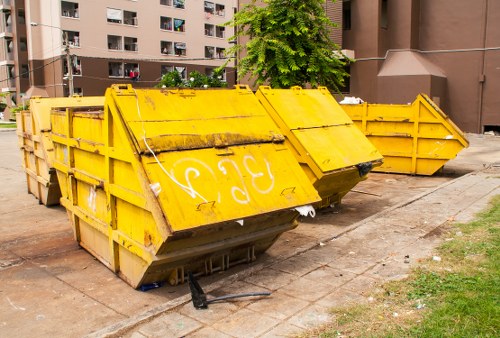
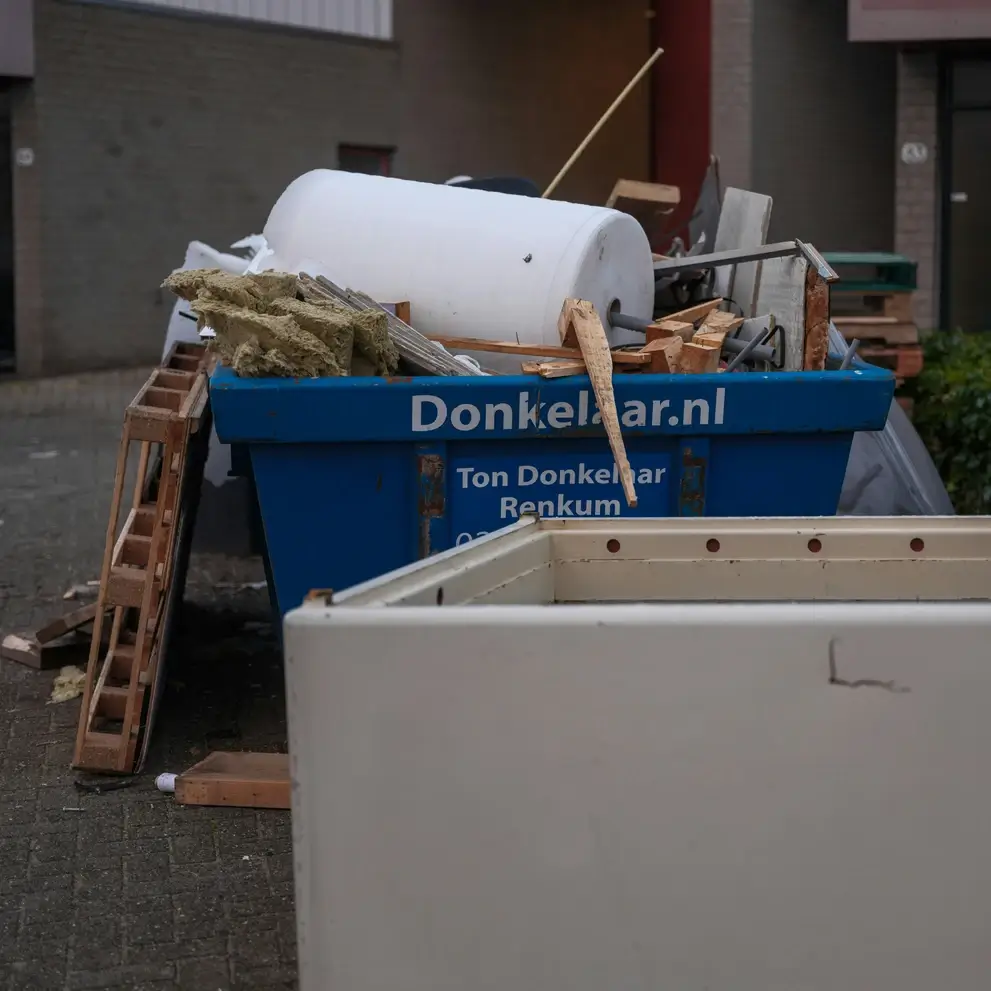
Skip hire in Sydenham gives households, landlords and trades a straightforward way to move bulky waste from a property or work area without turning the job into a series of separate trips. Our service is aimed at mixed domestic and commercial loads, with skip sizes and related waste options that suit clear-outs, renovation waste, garden materials and lighter building debris. The focus is on practical collection, sensible loading and disposal that matches the type of waste you have ready.
If you are planning work that produces a steady stream of rubbish, a skip can keep the site tidier and make it easier to sort materials as you go. We offer skip hire for customers who want a single container on site, along with alternatives such as wait and load skip hire where access or parking makes a dropped skip less suitable. Both options can be used to handle waste in a controlled, organised way.
For a quotation, start by noting the type of waste, the amount you expect to produce and the access at the property. If you already know whether the load is mainly household, green, inert or mixed builder’s waste, that helps narrow down the right service. Tell us what needs clearing and what kind of space is available, and we can then discuss the most appropriate arrangement.
Choosing the Right Skip Option
The right choice depends on the waste stream, the available space and how long the material will build up over the course of the job. For a kitchen strip-out, a small renovation or a garden overhaul, the aim is usually to match the container to the volume without paying for unnecessary capacity. For flatter sites or streets with tighter access, a different collection method may be more suitable. Our builders skip hire is a common option for heavier project waste, while lighter domestic clearances may be better handled through domestic skip hire.
It also helps to think about whether the waste will be reasonably uniform or a mixed load. Brick, concrete, timber, soil, metal, packaging and bagged rubbish all behave differently when loaded, and different services may be better matched to different patterns of waste. Where items are awkward, bulky or not suitable for a standard container, alternatives such as rubbish removal can provide a more flexible collection approach. Keep materials together where you can, because careful sorting tends to make the job neater and more efficient.
When a skip is a sensible fit
A skip is often the best option when waste will be produced over several hours or days and you want somewhere stable to place it as the work progresses. It allows you to keep breakable, dusty and awkward items in one controlled position instead of building a temporary pile on the drive or pavement. Many customers choose this route for property improvement, garden work and general decluttering because it supports a steadier pace of work.
Domestic and Household Clearance Support
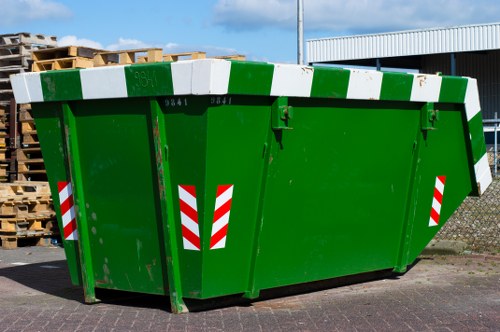
Domestic skip hire is useful when the main task is to clear accumulated household rubbish, old fittings or redundant materials after a room refresh. It is a practical choice for lofts, garages, sheds and general household tidying because it gives you a set place to put items as they come out of storage. Where a property contains a blend of furniture, boxes, broken household objects and light renovation debris, our house clearance and garage and loft clearance pages describe related approaches that may suit a fuller clear-out.
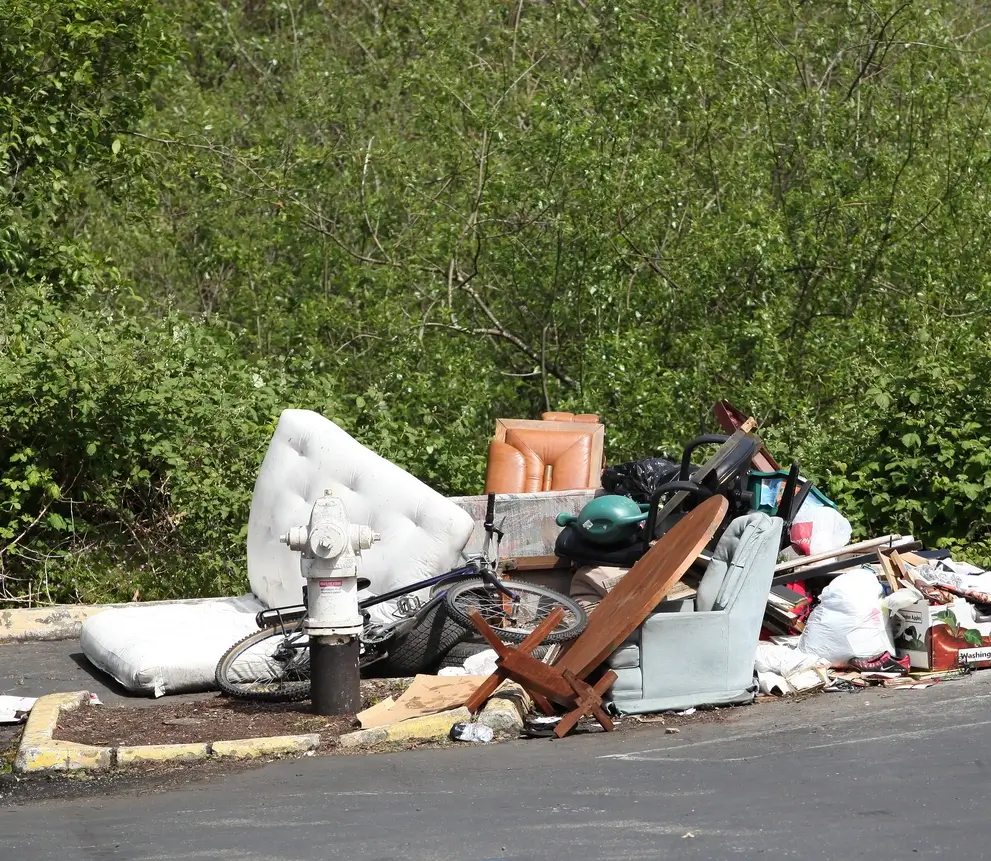
For appliances, soft furnishings or specific bulky household items, separate handling can be useful. Items such as mattresses and sofas often need their own disposal route, while fridges and other appliances may require different treatment from general rubbish. In some cases, combining several sorts of disposal within one plan makes the overall job easier to manage. A clear list of what is present will help determine whether a single skip is enough or whether a more tailored service would be more appropriate.
Before you request a price, group items loosely by type and think about access for loading. If the waste is already bagged, boxed or stacked, that can make the estimate more accurate and the collection more straightforward. One practical approach is to separate reusable items, recyclables and general rubbish before the container arrives. That simple step does not need special equipment, but it can make the process less rushed when the job begins.
Builders Waste and Construction Material
Construction and refurbishment projects usually create a mixed stream of heavier waste, including plasterboard, timber offcuts, old fixtures, packaging and fragments from strip-out work. For those jobs, the service needs to be matched with the material type so the load can be managed safely and legally. Our construction waste disposal and construction waste clearance options are relevant when the priority is organised removal from an active work area rather than simple household tidy-up.
Some jobs call for more specific handling, particularly when demolition or site prep is involved. Demolition waste can include a broader mix of dense and broken material, while site clearance may cover rubble, timber, packaging and discarded fittings from an entire work zone. In those cases, the best solution often depends on the access, the weight of the load and the sequence in which the waste will be generated. Our demolition waste removal and site clearance pages reflect those broader project needs.
Where the work is centred on masonry, soil or spoil, a different service may be more appropriate again. Grab-based collection can suit loose bulk waste, while a conventional skip is often preferred for smaller, more controllable loads. The main decision is usually whether the site can support a static container and whether the waste will be fairly consistent. For construction-related waste, it is useful to plan ahead for the material mix rather than only the volume.
Waste Types, Sorting and Acceptable Loads
Not all waste behaves the same way once it is placed into a container, so careful sorting can make a real difference to the service you choose. Some loads contain mainly inert material, some include lightweight packaging and broken fittings, and others are a blend of timber, metal and general refuse. Our what can go in a skip guidance is useful when you want to check the general categories before you book, while waste recycling services support a more considered approach to separating material streams.
There are also situations where a skip is not the best match because the waste requires special handling. Hazardous items, certain electricals and other restricted materials need particular care, and they should be discussed before collection rather than added to a general load. Where a project includes items that need separate treatment, our hazardous waste disposal information provides a route to the relevant service. Keeping the load within the proper category helps avoid delays and keeps the job straightforward.
- Bagged household waste and light mixed rubbish
- Wood, packaging and non-hazardous strip-out material
- Garden cuttings, branches and soil-related loads
- General building debris where the service accepts it
Garden Waste and Outdoor Projects
Outdoor clearance work often starts with green waste, old fencing, broken paving or general debris gathered from a neglected corner of the property. For these jobs, skip hire can be a practical way to keep the work area clear while the task is in progress. Our garden waste removal service is relevant when the main load is made up of cuttings, branches and other outdoor material, while a skip can support larger pruning or landscaping jobs that generate waste over a longer period.
Where the work involves heavier or looser soil-like material, a more specialist bulk removal option may be needed. Spoil and excavation waste can be awkward to shift because it is dense and often damp, so the best approach depends on how much is present and whether it needs to be loaded from a fixed position. In those situations, muck away services may be a better fit than a standard domestic container. The aim is to keep the process efficient without overcomplicating the site.
If you are comparing options, think about the proportion of green waste to heavier material. Branches and hedge trimmings compact differently from turf, soil or rubble, so the same container may not suit every outdoor job. A simple written note of the main materials can be enough to start the conversation. Good planning is especially useful when the project is happening in stages rather than all at once.
Commercial and Workplace Clearance
Commercial skip hire is designed for premises that need a dependable way to deal with recurring waste from refits, stock changes, office moves or routine clear-outs. The service can be used for a one-off job or for a more structured removal plan, depending on the volume and type of waste. Our commercial skip hire and office clearance pages are relevant when the waste comes from desks, shelving, paperwork, fittings or redundant interior items.
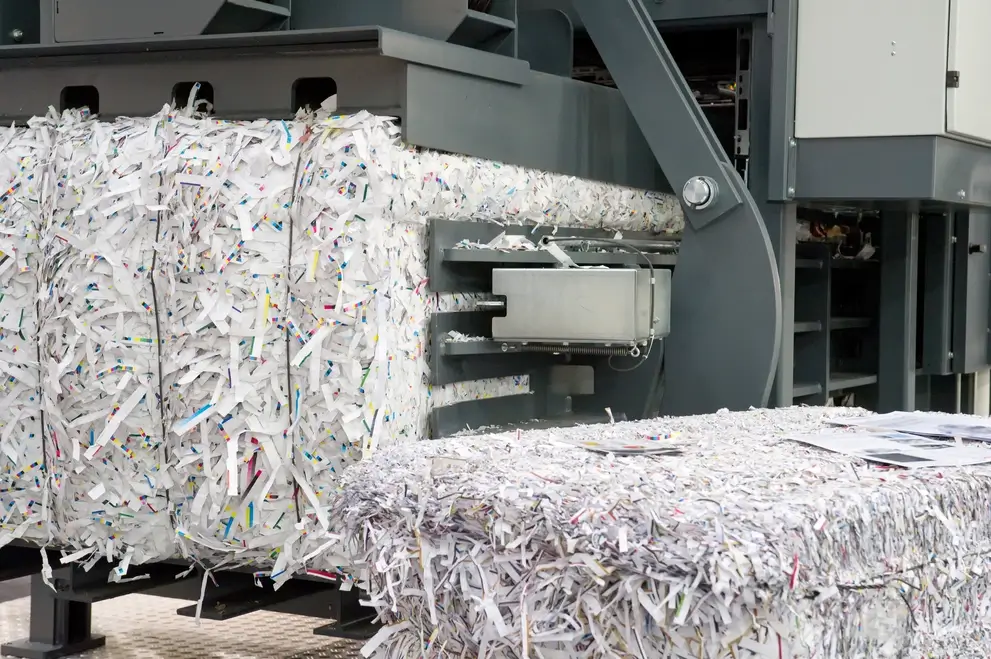
Workplace waste often needs a bit more coordination than domestic rubbish because access may need to stay open for staff, visitors or deliveries. In a commercial setting, the right arrangement depends not only on the size of the waste load but also on where a container can be positioned and how the site operates during the day. For sensitive paperwork or records, separate handling may be needed; our confidential shredding page reflects that more specific requirement.
For many businesses, the value of a skip is that it gives a clear boundary for waste during refit or decluttering work. That can help teams keep productive areas separate from items waiting to be removed. A concise list of materials is usually the best starting point, followed by a look at access and the timing of loading. If the job is time-sensitive, say so from the outset so the advice can be matched to the work.
Access, Permits and Placement

Some properties have straightforward access for a skip, while others need more thought because of narrow drives, parking controls or limited turning space. The route from the road to the loading point matters, as does the ground surface and whether the container can sit safely where it is needed. In the right setting, a standard dropped skip is simple to use; in more restricted settings, it may be worth comparing a permit-led plan with a wait and load skip hire arrangement instead.
Where a container must be placed on a public road or another controlled area, a permit may be required. The relevant rules are not the same everywhere, so it is sensible to check the placement early rather than leave it until the day of delivery. Our skip permits and skip hire permits pages are there for customers who want to understand the permit side before making a booking. Planning this properly helps prevent avoidable delays.
Useful details to have ready include the property type, likely loading access, the waste category and an idea of how quickly the material will be produced. If you are unsure whether the container needs to sit on private ground or in a more restricted position, that is worth mentioning early. A brief description is enough to begin, and you can refine the details once the best arrangement has been identified.
Pricing Factors and Service Choices
Skip hire pricing is usually shaped by a few practical factors rather than by one single rule. The size of the container, the type of waste, the length of hire and the way the collection needs to be arranged all play a part. Heavier or more complex loads may need different treatment from light mixed rubbish, and that can influence the overall arrangement. Our skip sizes and prices and pricing and quotes pages give a route into those details without forcing you to guess what is needed.
It is also worth remembering that a cheaper option is not always the most practical one if the container is too small or the access is awkward. When the job is spread across several days, a more suitable container size can reduce the chance of overfilling or pausing the work to reorganise waste. For regular commercial activity or projects with a predictable stream of material, the focus should be on matching the service to the load rather than simply choosing the smallest option available. That is often the more efficient path overall.
When comparing arrangements, think about convenience, loading pace and the kind of waste you expect to produce. If the project includes both light and heavy material, ask whether it should be kept together or separated into different disposal routes. A clear answer at the start saves time later and makes the quotation easier to read. If you are ready to move ahead, you can ask for a quote now and use the details you already have.
About Sydenham
Sydenham is a district in south-east London, commonly associated with the London Borough of Lewisham while also touching nearby borough boundaries. The area is best known for its position on the slopes between central Peckham and the southward edges of Crystal Palace, with a built landscape shaped by rail growth, suburban expansion and later twentieth-century change. Sydenham Hill forms one of the more distinctive topographical references, while the general district includes streets that rise and fall rather than lying on a single flat plain. The presence of the railway helped transform the area from a more rural fringe into a settled suburban neighbourhood, and that history still informs its street pattern and housing stock.
Several local landmarks give Sydenham a recognisable character. Sydenham Wells Park recalls the district’s association with spa and recreation in the nineteenth century, while Sydenham Hill Woods preserves part of the ancient woodland that once covered much of the ridge. The Crystal Palace Park area lies close by and remains one of the best-known destinations in the wider locality, with its landscaped grounds and striking terraces linked to the former exhibition palace. The area also has long-standing retail stretches, local churches and residential roads that reflect Victorian and later interwar development. Together, these elements create a place that is urban yet varied, with pockets of green space and a clear sense of layered history.
Sydenham’s transport connections and civic life have been shaped by its location between several busy parts of south-east London. The district is served by railway stations and bus routes that connect it to surrounding neighbourhoods, and the local high street has continued to serve day-to-day shopping and services. Architectural detail ranges from compact terraces to larger houses and converted buildings, with later infill adding further variety. For visitors and residents alike, the interest of Sydenham lies in the combination of elevated viewpoints, surviving woodland, local parks and a settled residential grain that sits alongside modern urban activity.
Booking a Skip with Confidence
When you are ready to arrange skip hire in Sydenham, the best results usually come from being clear about the type of waste and how the job will unfold. If the work will happen in stages, say so early, because that affects the practical arrangement. If you are unsure about size, a short conversation about the load can often narrow it down quickly. Our book online page is available for customers who want to move from planning to enquiry using the website.
For some jobs, a related service may be more suitable than a standard container. A site with awkward access might work better with grab lorry hire, while a bulk collection could suit grab hire services instead of a static skip. Where the project involves a mix of rubbish, timber, soil or clearing from several parts of a property, the main decision is which option handles the waste most cleanly and with the least disruption.
Start with the materials, think about access and then choose the collection method that fits the job. If you already know what needs removing, request a quotation today and use the service that suits your site. The clearer the description, the easier it is to match the waste to the right arrangement and keep the work moving.